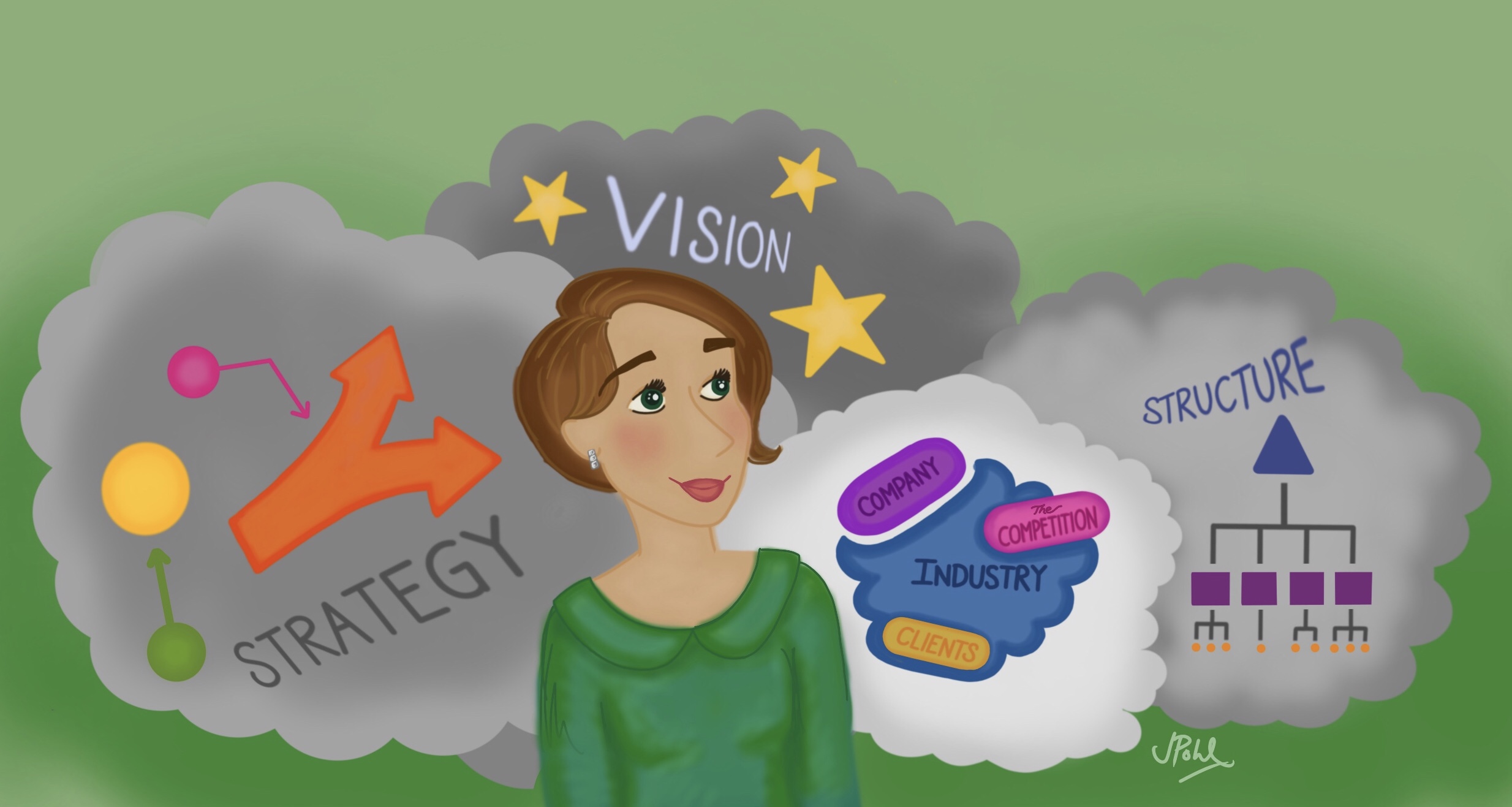
 Far from being outliers in the talent pool of potential new hires, executive assistants’ skills could be a huge contribution to an IC team.
First published 30 November 2018 on Voice Online:
https://voice.ioic.org.uk/item/705-why-administrators-and-executive-assistants-make-great-ic-practitioners
I worked in admin before I made my career move into comms, and for many years worried that my time in support roles would disadvantage me. It felt like my would-be internal communications peers were racing ahead, getting a competitive edge with their experience of writing content, managing campaigns and relationships, and learning to become confident stakeholder managers.
By contrast, it felt like my time as an executive assistant (EA) wouldn’t add much to my offering as an IC practitioner.
As it turns out, I was totally wrong. I made my way into comms from admin (via a sideways move in investor relations and marketing) and came to see first-hand how my experience at the executive support coalface, far from holding me back, helped me hit the ground running in internal communications.
Conversations with fellow IC practitioners have borne the same conclusion: people with executive support and administration backgrounds aren’t disadvantaged by these previous roles. If anything, this experience has equipped them with a unique skillset which makes them great IC practitioners.
The skills that set you up for a rewarding IC career
Leah Bowden, head of internal communications at Close Brothers, spent some of her early career working as an EA and Senior EA to the Chief Executive at Santander, and believes that the experience has helped her IC career.
“Being an EA is one of the most intense forms of business partnership. The skills I developed in creative problem-solving, negotiating, influencing and prioritising effectively have served me well as an IC practitioner,” she says.
After moving into corporate communications and speechwriting at the bank, Leah became a key communications liaison and counsel for leaders and board-level executives – so she needed to be able to deal with very senior individuals, which her EA experience prepared her for.
“I believe being an EA is a great proving ground for the resilience you need for a rewarding career in IC,” she adds.
Lizzie Forbes, project communications manager at Balfour Beatty plc, has experienced this first-hand.
“Often personal assistants are advocates for the business; the ones in the know, much like IC practitioners, and are equipped or expected to share messages around the business.
“They are respected among their peers, have great networks and are trusted; all qualities of a great internal communicator! It was a natural transition for me as these were things I loved about my job, as well as writing,” she says.
Graham Barton heads up change enablement at Defra and was named best internal communications manager at IoIC’s 2017 Icon Awards.
Early on in his career he worked within office administration. “The role was at the Environment Agency, and I supported the leadership team and helped run the office,” he says.
Aside from teaching him how to communicate with a diverse group of colleagues, many of whom were based in the field, he says the role helped him learn how to package messages effectively.
“Striking that balance between including enough information to enable the recipient to make an informed decision, and keeping the communication as concise and clear as possible, was a very valuable skill to learn,” he says.
Transferable experiences
Backgrounds in administrative and executive support should make for sought-after candidates for internal communication managers looking to add to their teams, thanks to the wealth and depth of experience they can bring to the profession.
How exactly, then, are the experiences of former EAs, PAs and administrators so helpful for working within IC, and why should hiring managers care?
I’m confident the transferable skills and experiences gained by EAs and administrators can be found in all six areas of IoIC’s internal communications profession map. But for now, I’ll focus on three of these areas: organisational strategy and planning, people and cultural understanding, and coaching and facilitating.
Organisational strategy and planning
EAs understand the importance of a company’s strategy
While EAs may not be involved in actively shaping an organisation’s strategy, they will often be working close to its development, evolution, implementation and – of course – how it is communicated. Working with directors and/or C-suite executives grants EAs an unusual degree of insight into the importance of a strong strategy. EAs will need little convincing of the pivotal role played by a company’s strategy in driving its actions and direction.
In my own experience as an executive assistant, I was plunged headfirst into the detail of how strategy was formulated, how it evolved, and how it was communicated from the MD to his direct reports and the wider company. The strategy was fundamental to everything: it underpinned our direction and gave guidance for challenging business decisions.
More than almost any other employee, EAs and PAs will have an appreciation for the strategy as a guiding light for the company.
EAs get to grips with a company’s structure and place in the market
Working as an EA, you are required to quickly grasp your organisation’s structure, and its place in the wider market. You need to know how the company works, in order to do your day-to-day job effectively, but also learn what kind of links and levers you can utilise to get projects, communications and activities signed off.
Georgina Carvell-Gough manages the UK and Ireland internal communications strategy for Baxi Heating, and formerly worked in internal communications at Aldi UK. She was a PA for five years and found that it gave her a greater understanding of how businesses work.
“PAs, EAs and administrators will have an in-depth knowledge of how a business works and an appreciation for how each layer of a business views a message differently,” says Georgina. “They also need to have a good understanding of how each level within a business works, and also have to be comfortable in engaging with stakeholders from each level.”
Of course, every company is different, and being an EA in one organisation doesn’t mean you’ll necessarily understand how all companies operate. But you will most likely have learned what sorts of conversations to have, and which functions you need to go to, to find out what you need to know.
Planning (usually) comes naturally
Finally, a good EA or administrator is good at planning. Their role requires ninja-level organisation, and so an EA worth their salt will have developed – and implemented – complex plans.
Even if these plans have been for detailed travel itineraries, high-profile site visits or an investor roadshow, the content of the planning isn’t what’s important: it’s the ability to plan ahead, set milestones and buffers for delays, and adapt the plan to changes, that are essential skills.
Carly Murray, internal communications specialist at design, digital and IC agency The Surgery started her career as a PA. After her beginnings in executive support, Carly went on to communications roles at T-Mobile and EE and internal communications business partner roles at EasyJet and British Gas.
“So many things in the world of the PA translate well into IC,” she states. “PAs tend to be naturally good at planning and organising: you’re not just organising yourself, but you’re making sure other people, in other parts of the business, are organised too. IC is often about having a well-thought-through plan and using your organisation skills to execute it.”
People and cultural understanding
EAs are good with people – at all levels of the organisation
Apart from a strong organisational understanding, an ability to plan and be meticulously organised, an EA needs to be good with people. This means being able to communicate confidently with colleagues at all levels – be it the leadership team, middle managers or junior employees.
It came as a surprise to me, having moved from executive support to communications, that some of my communications colleagues (not from an admin support background) were nervous at the prospect of having a discussion with, or sending an email to, senior leaders.
I’ve since realised that having the confidence to approach someone senior like the CEO to discuss an important communications matter or send an email to the senior leadership team doesn’t come naturally to everyone, least of all those unaccustomed to interacting with them.
Past experience of dealing with senior-level executives helps to build that confidence, because, as an EA, emailing the CEO is usually not an exception, but rather the rule.
They understand the ‘gulf’ between leaders and employee
“The ‘gulf’ between what employees think and what senior leaders think employees think is something you become acutely aware of when working in admin or executive support,” says Annique Simpson, internal communications manager at Close Brothers.
Before her roles in communications, which saw her deliver internal campaigns at Grant Thornton UK LLP and Moorfields Eye Hospital, Annique worked in administrative roles at the London Deanery and the Royal College of Anaesthetists.
Communicators who have had first-hand experience of seeing how senior leaders interpret employees’ beliefs have a powerful advantage.
“Being able to spot the ‘gulf’ – and provide helpful, evidence-based solutions to help bridge it – is critical to being an effective internal communicator,” she says.

Good EAs have an ability to read company culture, and have an appreciation of the vision and value
EAs need to be adept at building an understanding of their company’s culture. By knowing what behaviour is accepted and which values are shared, they can make sure their way of working gels with the company’s culture. A good EA will not only work to a company’s culture, paving the way to effectiveness and success, but will also understand the importance of demonstrating the company culture in their behaviour and ways of working, due to the highly visible nature of their role.
Similar to this ability to ‘read’ a company’s culture and adapt to it, is appreciating and quickly building an understanding of an organisation’s vision and values. As with the strategy, an EA may likely find themselves close to the activity of formulating the vision and values, and will have an appreciation of their importance.
Coaching and facilitating
They learn how to develop and maintain internal networks
Executive support and administrative employees rely heavily on their internal relationships to do their roles effectively. I recall spending time creating and maintaining relationships with colleagues around the world when I was an EA, in order to grease the wheels for future work to be done with them.
Building and managing relationships and networks, and having the ability to influence and negotiate with colleagues, are yet more core skills and knowledge areas that EAs bring to an IC role.
Lisa Hattersley, internal communications manager at Charles Stanley, finds that her ability to build a network has reaped big rewards in her IC career. She first honed this skill at the start of her working life, as an EA at a documentary film company.
“Working as an EA or office manager is, by its nature, a very sociable role,” reflects Lisa. “You spend your whole time building relationships with people, and you become someone people turn to do ‘get things done’, because they know that you will know someone, who will know someone, who can help.
“Exactly the same skills are needed in IC. You need a wide-reaching network you can trust to make sure your messages land effectively.”
EAs know how to negotiate and ask for things
As a PA, you’re a naturally well-connected person in the company, says The Surgery’s Carly Murray.
“You’re usually asking people for things, so you need to be good at ‘selling’ your request and negotiating. And you’re bound to have the knack of seeing things from different perspectives, as you’re always trying to keep lots of people happy at the same time.”
An understanding of how busy leaders and executives are, and how you can make their lives easier, can help you get things done, as Lucy Kemp discovered.
Lucy is an employee communications and engagement consultant at K & Co Communications Ltd, and worked as an EA for around five years prior to moving into communications.
“In internal communications, we ask executives and leadership teams to get involved with events, write articles and give speeches when they might not have the time to understand the impact. Making it easy for them to do these things – building a good relationship with their PA/EA helps a lot – and also showing them the impact afterwards can lead to them saying ‘yes’ to things in the future,” says Lucy.
Good EAs usually have great EQ
Working with senior stakeholders requires an ability to understand things from their point of view, and this EQ – emotional quotient, or emotional intelligence – can be gained by people in admin and support roles, adds Annique.
“To be an effective administrator or EA, you need a high EQ. After all, if you can’t understand the challenges that your colleagues are up against, how can you give them the support they need? It’s no different working in IC – senior leaders trust you to understand their corporate environment and advise them accordingly. Having a high EQ can go far in terms of getting them onside and getting the job done.”
Not just outliers in the talent pool
People with backgrounds in admin and support should not be viewed as having “only” been a PA. This view risks overlooking fundamental skills and experience that not only make them great internal communications practitioners, but can add real value to internal communications teams.
I spent too long labouring under the misconception that my comms career would be stunted by the years I spent working as an EA and office administrator. In fact, this experience has hugely helped, not hindered, my career – and I’m really pleased that many hiring managers are seeing this potential.

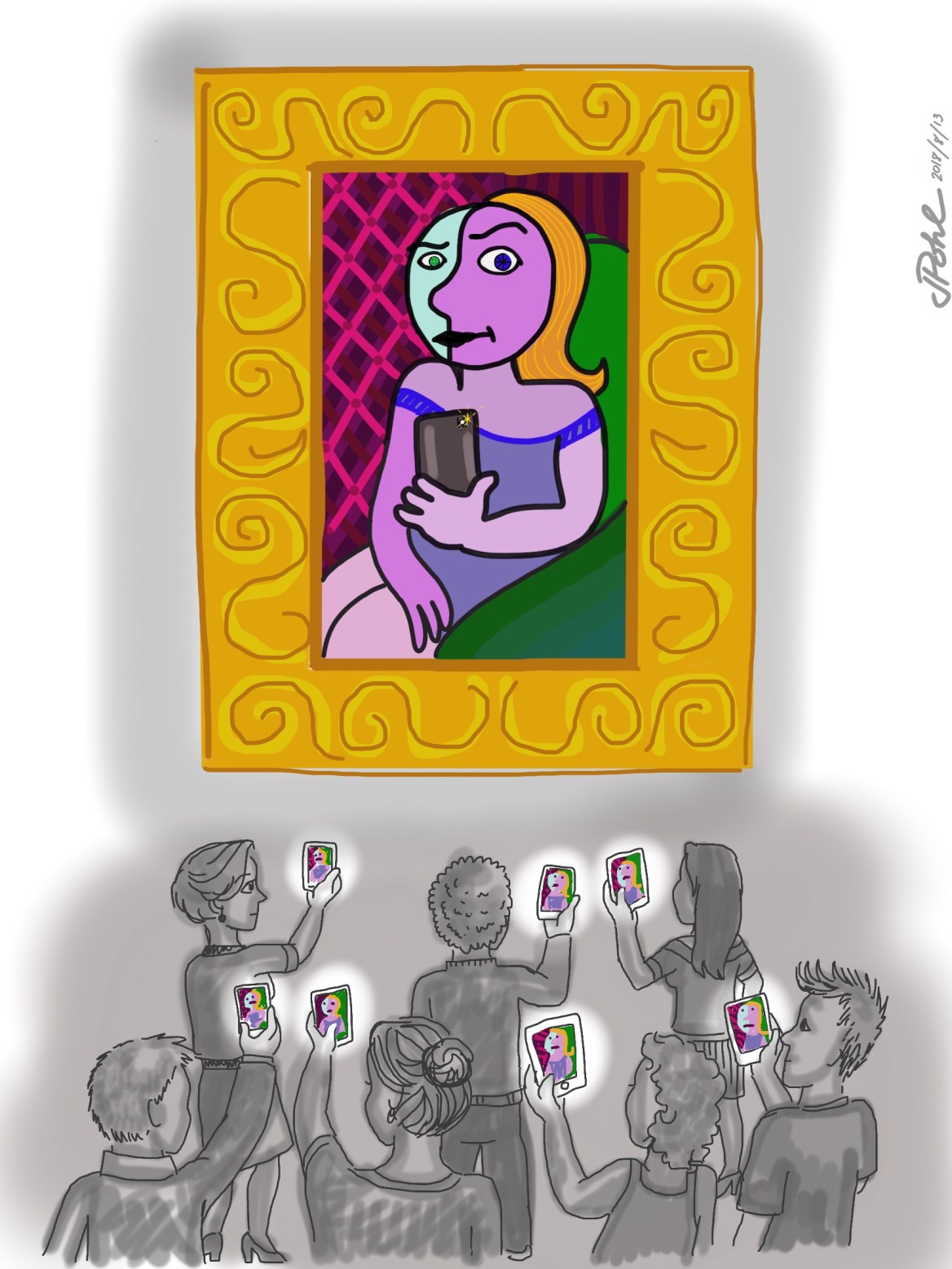 The richness and variety hasn’t waned over the years, but what I have seen is the rise and rise of people experiencing these joys through their mobile phones: recording live events and photographing artwork.
 Joanne Pohl